
Adam Walburger
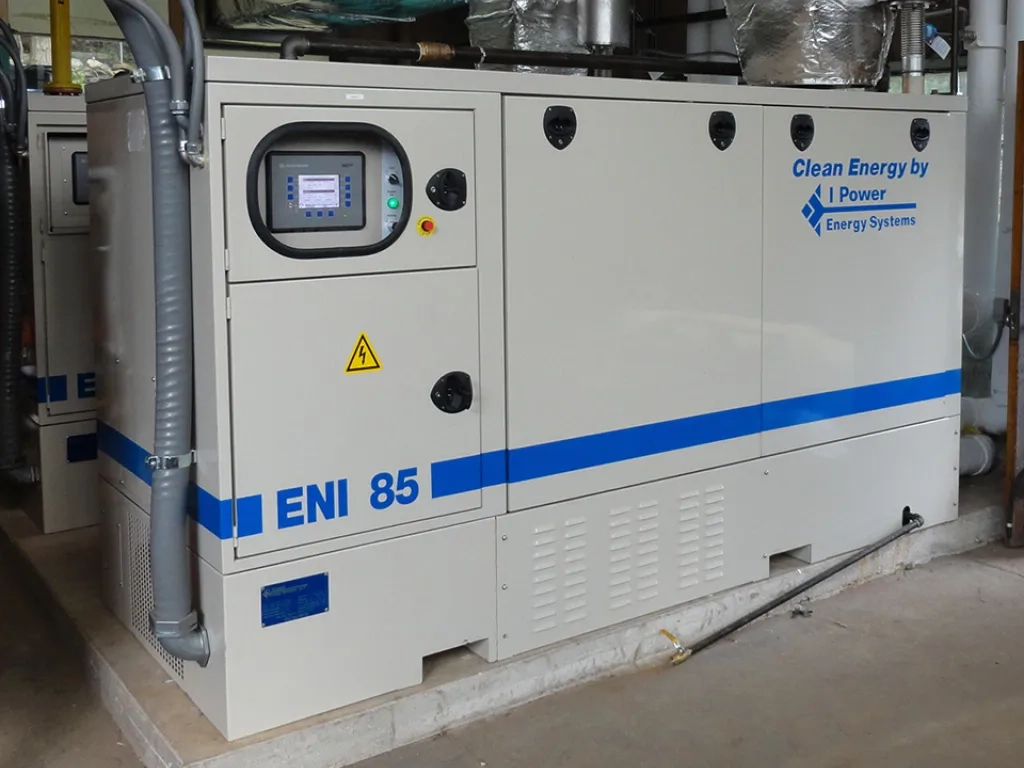
CHP is a superior energy resource for hospitals because it can efficiently provide a hospital’s energy services, and because they use less fuel than conventional energy services, are cost effective, and reduce harmful emissions. CHP also provides resiliency because they can operate indefinitely during grid outages, which is vital for hospitals. Losing electricity—even for short periods—can disrupt critical life support systems. In 2017, Saratoga Hospital in upstate New York was interested in installing CHP. Frontier Energy conducted a feasibility study for a 1 MW Flex Energy CHP with three 333 kW Flex Energy microturbine units with hot water heat recovery and one 100-ton absorption chiller. The Frontier team developed a detailed 8,760-hour model of building loads, system performance, and resulting CHP fuel conversion efficiency (FCECHP). We predicted that the system would produce 3,833,140 kWh annually net of all parasitic loads, recover a total of 16,707,124 MBtu of heat, and consume 49,463,855 MBtu of natural gas—resulting in an annual CHP performance of FCECHP 60.2% HHV, with a capacity factor of 69%, meeting generally accepted standards for a high-performing CHP system. Overall, the combined CHP and absorption chiller system was found to reduce annual electricity purchases by 4,084,420 kWh and reduce maximum demand by 561 kW during the peak month of August.
Frontier Energy: